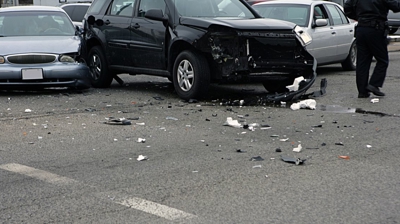
El Paso Rideshare Accident Attorney
Protecting Your Rights and Fighting for Your Compensation
If you’ve been in an accident involving a rideshare driver or vehicle, you may be eligible for compensation. If you’re up against an Uber or Lyft driver, you need to contact an aggressive El Paso rideshare accident attorney.
When a passenger steps into an Uber or Lyft vehicle, they put their safety in the hands of a stranger. Unfortunately, these drivers are motivated by money and frequently engage in careless and dangerous driving behaviors just to cycle through as many passengers as possible. If you’re injured in an accident caused by a cab driver, Harmonson Law Firm has helped countless Texas residents successfully recover damages for their injuries.
We’re available 24/7! Contact our El Paso rideshare accident attorney at (915) 233-6427 to explore your legal options.
Rideshare Laws in Texas
In Texas, rideshare driving is regulated under the Transportation Network Companies (TNC) Act, which sets forth specific requirements for both drivers and the companies they operate for.
Driver Requirements:
- Age and Licensing: Drivers must be at least 18 years old and maintain a valid driver's license issued by Texas or another state.
- Background Checks: TNCs are mandated to conduct criminal and driving history checks on all drivers at the time of hire and annually thereafter.
- Vehicle Standards: Vehicles used for ridesharing must have four doors and seat no more than eight people, including the driver.
- Insurance Coverage: Drivers are required to maintain personal auto insurance that meets state minimums. Additionally, TNCs provide contingent liability insurance during periods when the driver is logged into the digital network but has not yet accepted a ride request and when transporting passengers.
- Driver Conduct: Drivers must adhere to all traffic laws, maintain safe driving practices, and refrain from behaviors that could endanger passengers or others on the road.
When we handle a rideshare claim, we look closely at whether these legal requirements were actually being followed. For example, we may compare the driver's trip history to their statements, review available electronic data from the app, and examine whether the vehicle was properly maintained under Texas personal injury law. By tying the facts of your crash to these rules, we can better explain why the driver or company should be held accountable for the harm you suffered in and around El Paso.
Company Responsibilities:
- Background Checks: TNCs are required to perform criminal history and driving record checks on all drivers at the time of hire and annually.
- Drug and Alcohol Policies: TNCs must enforce policies prohibiting drivers from operating under the influence of alcohol or drugs while logged into the digital network. They are also required to provide passengers with a means to report suspected violations.
- Non-Discrimination: Companies are prohibited from discriminating against passengers based on race, religion, gender, disability, or other protected characteristics. They must also ensure that services are accessible to individuals with physical disabilities without imposing additional charges.
Rideshare companies are also required to carry specific levels of insurance that apply at different stages of a trip under Texas law. Our team reviews how those coverages interact with any other policies that may be available, such as the at-fault driver's policy or your own uninsured or underinsured motorist coverage. This analysis can be especially important in El Paso, where serious collisions on I-10, Loop 375, and Mesa Street can leave multiple people injured and competing for limited policy funds.
Understanding Your Rights as a Rideshare Passenger in TX
In Texas, liability in an Uber or Lyft accident depends on the driver's status at the time of the crash. The law considers different circumstances based on whether the driver is logged off, logged on but has not accepted a ride, or has accepted a ride. Here’s a breakdown of what typically happens in each situation:
When the Driver Is Logged Off (Not Using the App)
If the driver is not logged into the app, they are simply acting as a regular driver on the road. In this scenario, Uber and Lyft are not responsible for the actions of the driver. Liability for the accident would typically fall on the driver, just like any other personal car accident.
The driver’s personal auto insurance would be responsible for covering damages, assuming they have appropriate coverage. If a passenger is in the car, Uber or Lyft’s insurance generally will not apply, and the injured parties would need to seek compensation from the driver’s personal insurance or through their own insurance.
In these situations, we help you review every potential source of coverage and explain what options you have if the at-fault driver is uninsured or underinsured. Because Texas follows an at-fault insurance system, the way a crash is reported and documented in El Paso can make a big difference. Our rideshare accident lawyer can walk you through how to use the police report, medical records, and witness statements to support a claim even when only personal insurance policies are involved.
When the Driver Is Logged On but Hasn’t Accepted a Ride
If the driver is logged into the app but has not accepted a ride, they are still technically "on duty" in the eyes of Uber and Lyft, but they are not yet transporting a passenger. In this phase, the driver is available to receive a ride request but is not actively driving a passenger.
In this situation, Uber or Lyft’s insurance coverage generally comes into play. Texas law requires rideshare companies to have insurance that covers drivers in this “period 1” status.
- Uber and Lyft Liability: Both companies offer liability coverage (usually up to $50,000 per person for injuries, $100,000 per accident, and $25,000 for property damage) while the driver is logged on but has not accepted a ride.
- Driver’s Personal Insurance: If the driver’s personal insurance covers the situation, that policy might also come into play. However, some personal auto policies exclude coverage when the driver is using the vehicle for rideshare purposes, so the rideshare company's insurance would likely be the primary coverage.
Many people are surprised to learn that insurance adjusters may dispute which "period" applied at the moment of impact. As your claim moves forward, we can obtain app data, review timestamps, and compare those records with the crash timeline to support your position. This type of detailed investigation helps clarify whether the rideshare company's policy should apply, which is especially important in higher-value claims involving serious injuries from crashes on busy El Paso corridors.
When the Driver Has Accepted a Ride or Is Transporting a Passenger
This is when the driver is actively involved in a rideshare trip, either on the way to pick up a passenger or taking the passenger to their destination.
When a driver has accepted a ride or is transporting a passenger, Uber and Lyft’s insurance coverage is in full effect. Texas law requires the rideshare companies to provide liability coverage for accidents that occur during this period.
- Uber and Lyft Insurance: Both companies generally provide a higher level of coverage when the driver is en route to pick up or transporting a passenger. This can include:
- $1 million in liability coverage for bodily injury and property damage.
- Additional coverage for uninsured or underinsured motorists, in case the at-fault party lacks adequate insurance.
- Driver's Insurance: In this case, the driver's personal insurance may also come into play, but the rideshare company's coverage is usually primary.
When coverage at this level is available, insurance companies scrutinize the claim closely and may question fault, the severity of your injuries, or whether you had any preexisting conditions. Our role is to organize the medical documentation, employment records, and other evidence that shows how the crash has changed your life. By presenting a clear picture of your losses, we put you in a stronger position as you decide whether to accept a settlement or continue to pursue your claim under Texas law.
Next Steps If You’ve Been in an Uber or Lyft Accident in El Paso, TX
What should you do next if you’ve been in an Uber or Lyft accident? If you’ve been injured, you should see a medical professional to be examined and make sure to keep close track of all medical reports and records.
After rideshare accidents, common injuries include:
- Spinal cord injuries
- Brain injuries
- Back injuries
- Broken bones
- Paralysis
- Head and neck injuries
After immediate medical needs are addressed, it can be helpful to gather information while the details are still fresh. You can keep copies of your trip receipt, screenshots from the rideshare app, contact details for other drivers and witnesses, and photos of the scene, vehicles, and visible injuries. In El Paso, many rideshare crashes happen at busy intersections or on highways like I-10 and US-54, so noting the exact location, time of day, and traffic conditions can assist later when we reconstruct what happened.
Whatever the severity of your injuries, know that you have a limited time frame to file a personal injury claim. If you’re at a loss about what to do next, you don’t have to face the road ahead alone. Our El Paso rideshare accident lawyers are always on call and available to talk through your specific situation.
Pursuing Damages After an Accident in El Paso
It’s not unusual for a passenger to suffer severe and even catastrophic injuries after a car accident. By holding an Uber or Lyft driver and rideshare company responsible for your injuries, you can collect compensation and help protect other passengers from being injured in the future.
Depending on the circumstances of your injury, you may be awarded the following damages:
- Medical expenses
- Pain and suffering
- Lost wages
- Loss of earning capacity
- Property damage
- Rehabilitation costs
- Ongoing professional care costs
- Non-economic damages
The first step in your case is determining liability. During your consultation, we can discuss your injuries and the circumstances that led to the accident. Afterward, our legal team can investigate the incident and the rideshare company to determine which parties are ultimately responsible for your injuries.
In many cases, accident liability can be shared between multiple parties. It’s important to retain the services of an experienced attorney who can help you navigate this complicated process. With our guidance, you can pursue damages that support your physical and financial recovery.
As we evaluate damages, we look beyond the immediate bills sitting on your kitchen table. We consider your follow-up appointments, therapy or rehabilitation you may need in El Paso or Las Cruces, the impact on your ability to return to work, and the way chronic pain or emotional trauma is affecting your day-to-day life. By documenting these losses with care, we can better illustrate how the crash has disrupted your routine, your family responsibilities, and your plans.
Common Causes Of Rideshare Accidents in El Paso
Understanding how these crashes happen can help you make sense of what occurred and why insurance companies may take certain positions after an accident. In El Paso, rideshare collisions often involve the same risks as other motor vehicle crashes, but factors unique to Uber and Lyft drivers can create additional dangers.
Common causes of rideshare accidents include:
- Distracted Driving: Drivers looking at navigation apps, ride requests, passenger information, or other phone-based notifications instead of the road.
- Driver Fatigue: Long hours behind the wheel, late-night driving, or working a rideshare job in addition to regular employment.
- Speeding: Drivers rushing to pick up passengers or complete trips quickly.
- Unsafe Lane Changes: Abrupt lane shifts or merging maneuvers in congested traffic areas.
- Failure to Yield: Collisions caused by drivers who misjudge traffic conditions at intersections or while turning.
- Navigation Errors: Sudden stops, turns, or changes in direction caused by unfamiliarity with local roads.
- Poor Vehicle Maintenance: Worn tires, faulty brakes, malfunctioning lights, and other maintenance issues that increase the risk of a crash.
- Adverse Weather Conditions: Reduced visibility and dangerous road conditions caused by rain, dust storms, or other West Texas weather hazards.
- Heavy Traffic Conditions: Congestion on major roadways that increases the chances of rear-end and multi-vehicle accidents.
By carefully examining these factors, our rideshare accident lawyer in El Paso works to build a clear picture of what happened and how the accident has affected your life.
Schedule a Free Consultation with Our El Paso Rideshare Accident Lawyer
At Harmonson Law Firm, we provide knowledgeable guidance and personalized legal services to the residents of Texas. We understand that it can be challenging to pursue compensation while you’re simultaneously healing from an injury. For this reason, our El Paso rideshare accident attorney takes great care in handling any legal matters associated with your case, particularly when it comes to dealing with insurance companies and corporate legal teams. While you’re focusing on your recovery, we can negotiate on your behalf and seek a settlement or verdict that meets your financial and legal needs.
Our Uber and Lyft attorney in El Paso has been fighting for the rights of hundreds of clients over the past 13 years. We ensure that each client is treated with the utmost care and courtesy. We will walk with you through the often chaotic aftermath of a personal injury accident.
Call us today at (915) 233-6427 to speak with our proficient Uber & Lyft accident lawyer in El Paso.



From Injury to Recovery FAQ's to Help Start Your Journey
-
I was a passenger in a motor vehicle that was involved in a collision with a taxi. Who can I sue?If you are a passenger in a car that is hit by a taxi, you may have potential claims against the taxi company, the taxi driver, and the driver of the vehicle in which the passenger was riding, as well as the maintenance company, and the manufacturer of taxi parts. Claims against the taxi company…CONTINUE READING
-
If I was a passenger in a taxi and was injured in an accident, who is liable?Taxi accidents can be complex in the same way that Uber and Lyft accidents can be complex, only more so. In some cases, the driver of the taxi is considered an employee of the cab company, while in others, the taxi driver is considered an independent contractor. If you are a passenger in a taxi,…CONTINUE READING
-
I was the driver of a taxi that was involved in a collision. Can I sue the other driver?A good personal injury lawyer will make claims against all responsible parties if you are seriously injured while driving a taxi. This could include claims against the taxi driver, the taxi company, and the other vehicle involved in the accident on a case-by-case basis. Claims may also be made with your insurance company for personal…CONTINUE READING
-
Can I file a lawsuit against Uber or Lyft for my accident?Uber and Lyft drivers are independent contractors. Therefore, it is much more difficult to sue Uber or Lyft in an accident involving one of its drivers. Generally, any lawsuit will be against the Uber or Lyft driver if they negligently cause your injuries and not against Uber or Lyft directly. However, Uber and Lyft drivers…CONTINUE READING
-
What if an Uber or Lyft driver caused an accident but was not transporting a passenger?If the Uber or Lyft driver does not have the app turned on, then there is no Uber or Lyft insurance available. In that case, the driver’s insurance would cover your injuries and property damage. If the driver has the app turned on but is not transporting a rider, then Uber and Lyft’s insurance generally…CONTINUE READING
Stay Informed News, Tips, & Advice
Want all the latest news or updates? Browse through our blog to read our most recent posts and featured articles.