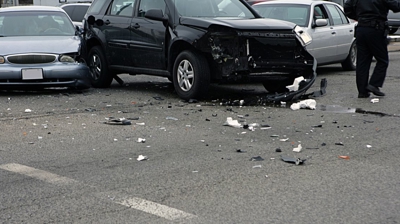
Hit-and-Run Accident Lawyer in El Paso
Direct Attorney Guidance for a Difficult Insurance Claim
Hit-and-run claims require a focused investigation and careful review of every available policy. At Harmonson Law Firm, we represent injured drivers, passengers, and pedestrians. We personally handle the investigation, medical documentation, insurer communications, and negotiation involved in these car accident claims.
Clark Harmonson began his career at a large Houston law firm defending insurance companies and corporations against injury claims. He switched sides in 2004 and now uses that behind-the-scenes knowledge to anticipate how insurers evaluate, challenge, and undervalue claims. During more than 10 years of practice, our firm has recovered over $25 million for hundreds of clients.
Call (915) 233-6427 to speak with our attorney about your injuries, available policies, and next steps.
What to Do After an El Paso Hit-and-Run Accident
Your health comes first. Seek a medical evaluation, contact law enforcement, and ask how to obtain the police report. Even when the other driver hasn’t been identified, prompt reporting and documentation can support a claim and help investigators look for the fleeing vehicle.
Preserve as much accident evidence as you safely can:
- Photograph vehicle damage, debris, road conditions, and the surrounding scene.
- Write down the vehicle’s color, make, model, license plate details, direction of travel, and any driver description you remember.
- Collect witness names and contact information.
- Identify nearby traffic, doorbell, dashboard, or security cameras that may have recorded the collision.
- Keep medical records, repair documents, receipts, and records showing missed work.
Don’t delay medical attention simply because the fleeing driver hasn’t been found. Treatment records can connect your condition to the collision and document the extent of your injuries and losses.
Our Hit-and-Run Claim Process
Every client works directly with an attorney, and Clark Harmonson personally handles each case. We take responsibility for the paperwork, insurer discussions, and difficult conversations so you can focus on your health and family.
Investigation & Documentation
We review the collision, police report, available video, witness information, vehicle damage, and applicable policies. We also gather medical documentation and records of accident-related financial losses. If you’re unsure where to seek treatment, we can connect you with care through our referral network and coordinate appointments and follow-through.
Insurer Communications & Negotiation
We communicate with the relevant insurers, including notifying your own carrier when appropriate. Our insurance-defense background informs how we present the evidence, respond to disputed issues, and pursue compensation that reflects what you’ve experienced.
Litigation When Necessary
We negotiate toward a fair resolution and can proceed with litigation when necessary. Throughout the claim, we return messages promptly, often the same day, explain developments clearly, and provide updates without making you chase us for information.


From Injury to Recovery FAQ's to Help Start Your Journey
-
What should I do if I was involved in an auto accident?Immediately after an accident, stop, don’t leave the scene and make sure everyone is okay. If there are injuries, the first call you should make is to 911. You should always call the police in the event of an accident, and cooperate and be respectful to the police and the other driver. Gather as much information as you can, including collecting the other driver’s contact information, taking photos of the vehicles and scene and collecting the contact information of any witnesses.
-
What if the other driver, who caused the accident has no insurance?Your own insurance contains uninsured motorist protection and applies if the at-fault driver has no liability insurance. In Texas, uninsured motorist protection is mandatory unless you reject that coverage in writing. Uninsured motorist coverage also applies if the accident is a hit and run. In Texas, there must be contact with the uninsured vehicle for the uninsured motorist protection to apply.
-
What information do I need to have to file a claim?To file a claim against the at fault driver, it is best to have a copy of the accident report, photos of the vehicles involved, the accident scene and any of your visible injuries, your own automobile insurance information, and a list of all of the medical providers who have treated you for your injuries. You are not required to give the other driver’s insurance a medical authorization or agree to a recorded statement.
-
What types of compensation can I recover after an auto accident?These are the elements of damages that the negligent driver is required to pay if he or she causes an accident: all reasonable medical bills (past and future), lost wages and the lost ability to earn wages in the future, loss of household services, pain and suffering, mental anguish, permanent impairment and disfigurement. A reasonable settlement offer should include all of your medical bills, lost wages and a significant sum for pain and suffering and your other harms and losses.
-
How is fault proven in a truck accident case?The Federal Motor Carrier Safety Regulations govern big commercial trucks like 18-Wheelers. These laws are designed to protect the motoring public from negligent truck drivers. These federal safety laws are also designed to ensure that trucking companies who hire negligent drivers are also accountable when their drivers ignore the safety rules of the road.
Stay Informed News, Tips, & Advice
Compensation After a Hit-and-Run Crash
The compensation available depends on the injuries, financial losses, applicable policies, evidence, and fault findings. We document the effects of the crash without assigning an unsupported value before evaluating the relevant records and circumstances.
Recoverable damages may include:
- Past and future medical expenses
- Lost wages and reduced earning capacity
- Vehicle and other property damage
- Rehabilitation costs
- Pain and suffering
- Mental anguish
- Disfigurement
Punitive damages may be available in limited cases involving gross negligence. These damages aren’t automatic, and the fleeing driver’s conduct alone doesn’t determine whether the legal standard has been met.
Comparative fault can affect recovery. Texas uses proportionate responsibility rules, sometimes called comparative fault. An injured person’s compensation can be reduced by that person’s percentage of responsibility. A finding of 51% or more responsibility generally bars recovery, making accurate accident evidence important when an insurer disputes how the collision occurred.
Discuss Your Hit-and-Run Claim with Clark
Our free Talk to Clark consultation gives you an opportunity to discuss the collision, available evidence, injuries, and possible coverage directly with us. We’ll explain the process clearly and identify the information needed to evaluate your options.
Under our No-Fee Policy, clients pay nothing unless we secure a settlement or court award. You can contact us by phone or through our contact form to begin the conversation.